 By
By 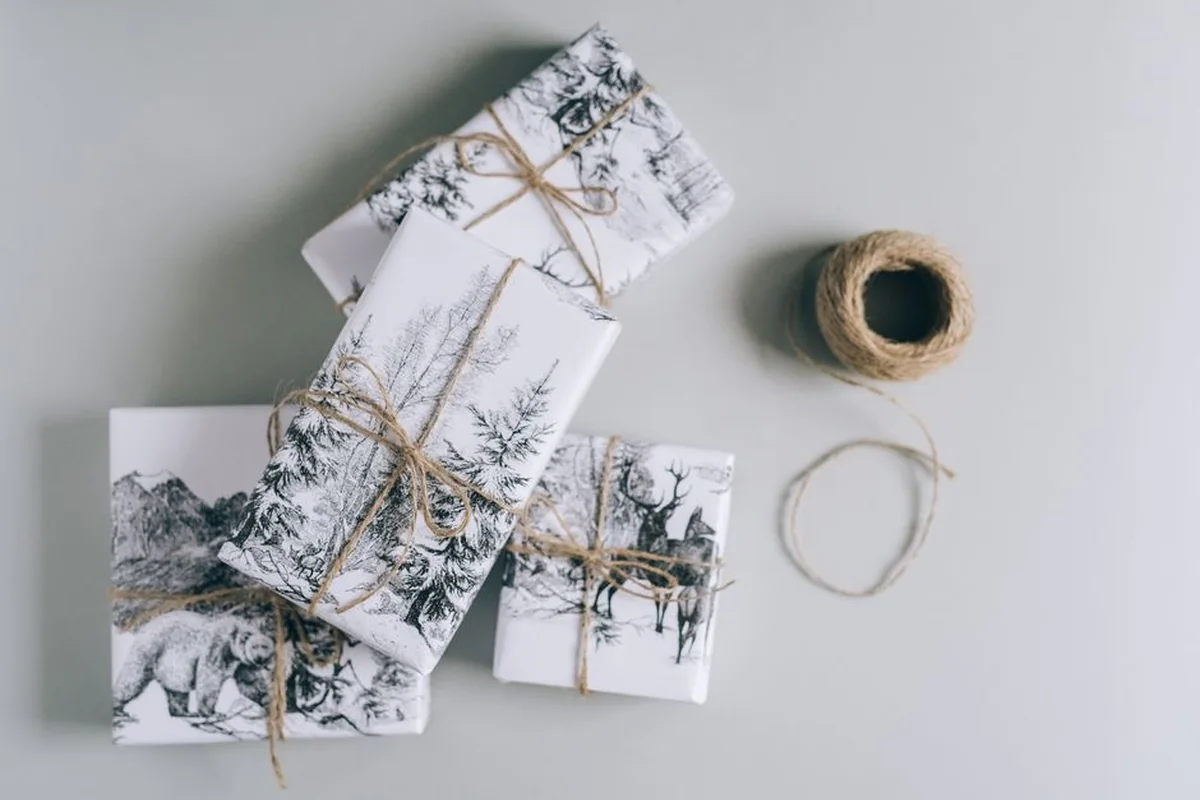
When a partner says they need nothing, I take the sentence seriously. It usually means that more possessions are not the point, so the useful question is what would make an ordinary week easier, warmer or more memorable.
During five years in a London boutique flower and gift studio, I learned to treat the handover as part of the choice. A suitable item can still cause difficulty when its care, delivery or message has not been considered. This guide focuses on a partner who values thought over volume. The aim is a clear shortlist built from what you know, with direct questions wherever safety, taste or timing cannot be guessed responsibly.
Use the recipient's week as the test
Imagine where the gift enters an ordinary week. Does it need storage, preparation, booking, travel or ongoing care? Some recipients enjoy those activities. Others experience them as another task, so the same item can be thoughtful in one household and inconvenient in another.
Write down the occasion, emotional tone and practical limit. These three points give you a stable basis for comparing options.
The decisions that make the biggest difference
Notice repeated wishes, not one-off comments
Discuss ‘notice repeated wishes, not one-off comments’ when another person shares the cost or household. A short conversation can prevent duplication, unsuitable scale or an expectation nobody intended. In the context of a partner who values thought over volume, ask directly whenever missing information affects safety, size, timing or personal taste. A sensible question protects the gesture.
Choose for their real routine
Turn ‘choose for their real routine’ into a concrete question. Write down the evidence you have and the detail you are assuming. Verify the assumption when a wrong answer would affect comfort or use. In the context of a partner who values thought over volume, ask directly whenever missing information affects safety, size, timing or personal taste. A sensible question protects the gesture.
Decide whether the gift should be used, shared or remembered
Use ‘decide whether the gift should be used, shared or remembered’ to set a boundary around the search. A boundary saves time and stops a persuasive product page from changing the purpose of the gift. In the context of a partner who values thought over volume, ask directly whenever missing information affects safety, size, timing or personal taste. A sensible question protects the gesture.
Keep the scale comfortable for the relationship
Keep ‘keep the scale comfortable for the relationship’ visible while reviewing the shortlist. Each idea should have a direct connection to it, supported by something the recipient has said, chosen or regularly done. In the context of a partner who values thought over volume, ask directly whenever missing information affects safety, size, timing or personal taste. A sensible question protects the gesture.
Make presentation feel personal
Keep ‘make presentation feel personal’ visible while reviewing the shortlist. Each idea should have a direct connection to it, supported by something the recipient has said, chosen or regularly done. In the context of a partner who values thought over volume, ask directly whenever missing information affects safety, size, timing or personal taste. A sensible question protects the gesture.
Leave room for taste and choice
When ‘leave room for taste and choice’ is uncertain, preserve choice. A flexible booking, gift receipt or short list agreed with the recipient can keep the thought while reducing the gamble. In the context of a partner who values thought over volume, ask directly whenever missing information affects safety, size, timing or personal taste. A sensible question protects the gesture.
Ideas to use as starting points
For a partner who values thought over volume, the examples below are prompts, not a shopping list. Each becomes stronger when you can finish the sentence, ‘I chose this because…’ with a reason the recipient would recognise. If the reason is only that the item is popular, keep looking.
- A planned day built around a favourite place. Keep the accompanying note brief and specific. Explain the real connection without instructing the recipient how excited they ought to feel.
- An upgrade to something used every week. Check the exact version against taste, space and schedule. Use a gift receipt or flexible booking when the subjective details remain uncertain.
- A small collection linked to a hobby. Confirm the likely use before choosing size, colour or quantity. The modest version is often better when it is easier to finish, store or arrange.
- A framed or printed shared memory. Allow an alternative if the final specification depends on taste. Preserving choice can be more considerate than protecting a complete surprise.
- A service that gives back time. Tie the choice to one known preference. A narrow, accurate connection feels more personal than trying to represent every side of the recipient.
- A consumable treat with a clear reason behind it. Tie the choice to one known preference. A narrow, accurate connection feels more personal than trying to represent every side of the recipient.
Choose through elimination
Cross out anything that depends on an unverified size, a doubtful ingredient, a difficult delivery or an assumed interest. Next remove options outside the comfortable budget. The short list that remains has already passed the most important tests.
Make the final choice by connection. Select the idea with the clearest truthful reason behind it, then stop comparing unrelated alternatives.
Finish with calm checks
Confirm that the cost remains comfortable after every fee. If it does not, reduce scale before compromising the recipient's needs.
Read the final basket aloud, including spelling, dates, size, quantity and postcode. Recheck the delivery window against the recipient's plans and keep evidence of the order.
Present the gift cleanly and add one truthful reason for choosing it. No elaborate speech is required.
Common mistakes to avoid
- Buying a novelty that creates clutter. Identify the assumption underneath this choice and replace it with a fact or a direct question.
- Turning the gift into a test of how well you know them. Look at the likely moment of receipt. Change the timing, message or product if it could create pressure.
- Choosing your own taste and calling it theirs. Separate your enjoyment of choosing from the recipient's likely enjoyment of using the gift.
- Spending more to compensate for uncertainty. Identify the assumption underneath this choice and replace it with a fact or a direct question.
- Adding a long explanation that makes the moment feel pressured. Consider the work or discomfort this could pass to the recipient, then reduce the scale or change the format.
Some uncertainty will remain because a gift involves judgement. Keep that uncertainty proportionate, provide an easy remedy where possible and do not require the recipient to protect the giver's feelings.
Check the whole gesture once
- The recipient is visible in the idea.
- The occasion sets an appropriate tone.
- The cost creates no strain.
- The practical work is manageable.
- The order details are correct.
- The recipient retains choice.
That whole view matters more than another product comparison. Give the gift without attaching a test of gratitude to it.
Protect the final few metres
The distance from doorstep to use can expose avoidable problems. Check access, safe placement and the first action required for a partner who values thought over volume. A brief delivery message is considerate when silence could leave flowers, food or a valuable parcel unattended.
After that, step back. A well-chosen gift can be opened later, adapted or exchanged without requiring the recipient to reassure the giver.
Use current information
For a partner who values thought over volume, Retail pages, delivery schedules and product contents can change. Recheck the information that matters at the point of purchase, even if you researched the same idea earlier. Seasonal deadlines deserve a date and source in your own notes.
For a partner who values thought over volume, Where health, safety, allergens, plant toxicity or consumer rights affect the choice, use an appropriate official source. A guide can help you frame the question, but the latest label, professional advice and current terms should govern the decision.
One final practical note. For a partner who values thought over volume, Check the parcel or booking as soon as it is practical. Early attention leaves more time to correct damage, missing items or an incorrect date, and it keeps the recipient away from the administrative work.
Frequently asked questions
What do you buy a partner who genuinely wants nothing?
Start with time, comfort, a useful upgrade or a shared plan. The best answer may be modest if it fits something they already value.
Is an experience always better than a physical gift?
No. Experiences need time and enthusiasm, while a physical gift can be used quietly. Choose the format that creates less friction for your partner.
How can a practical gift still feel romantic?
Connect it to a detail you have noticed, present it well and explain that detail briefly. Attention is what makes usefulness personal.
Should I ask my partner what they want?
Yes, especially when size, taste or timing matters. A shortlist can preserve surprise without making the purchase a gamble.