 By
By 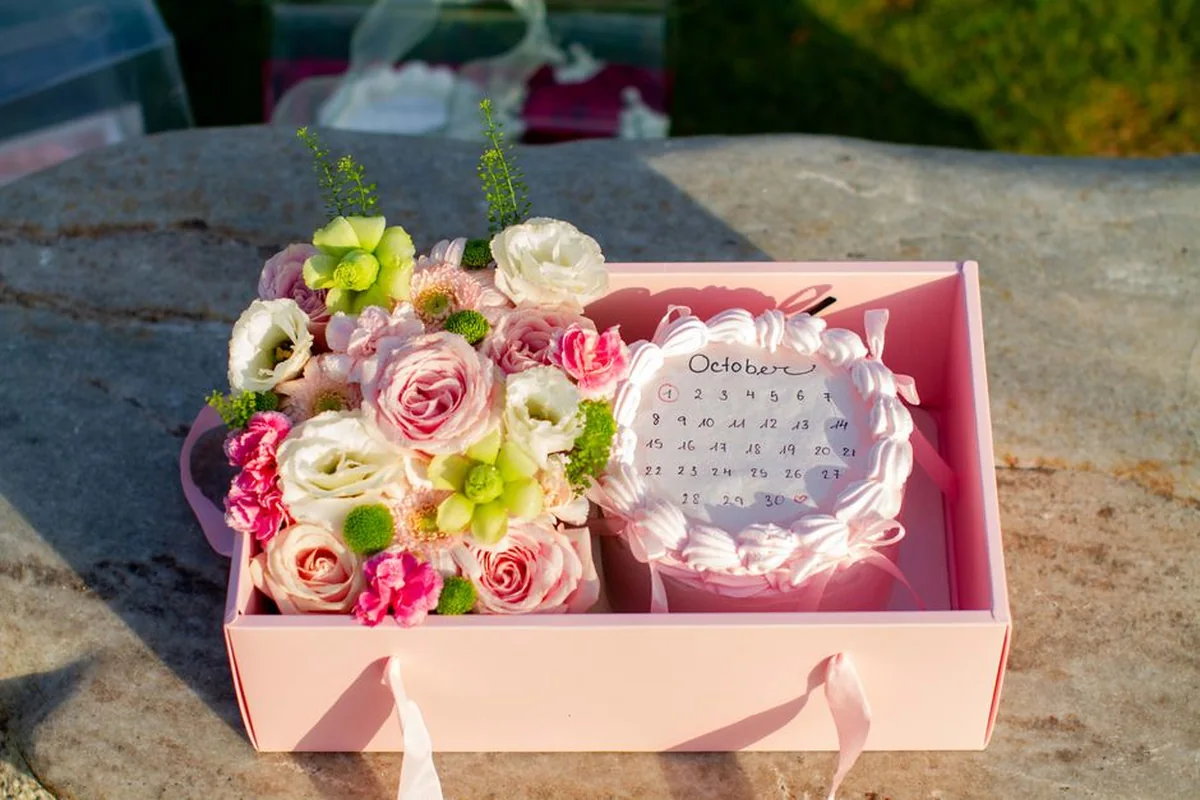
Fresh hand-tied bouquets and letterbox flowers solve different delivery problems. One arrives arranged for immediate impact, while the other usually asks the recipient to condition and arrange the stems.
I bring the same habit to this guide that I used during five years of florist and gift-consultant work in London. I define the recipient's needs first, then judge products, delivery and presentation against them. This guide focuses on delivery access, presentation, flower care and the recipient's confidence. The aim is a clear shortlist built from what you know, with direct questions wherever safety, taste or timing cannot be guessed responsibly.
Collect clues before ideas
Start with three things the recipient has done or said recently. Repeated behaviour is valuable evidence. An interest mentioned once may have passed, while an item replaced regularly or an activity protected in a busy week is more dependable.
Mark every unknown that could change the decision. Size, scent, diet, availability and delivery access are good reasons to ask. Surprise should never depend on avoidable risk.
The decisions that make the biggest difference
Know whether someone will be home
When ‘know whether someone will be home’ is uncertain, preserve choice. A flexible booking, gift receipt or short list agreed with the recipient can keep the thought while reducing the gamble. In the context of delivery access, presentation, flower care and the recipient's confidence, ask directly whenever missing information affects safety, size, timing or personal taste. A sensible question protects the gesture.
Decide how much arranging is welcome
Discuss ‘decide how much arranging is welcome’ when another person shares the cost or household. A short conversation can prevent duplication, unsuitable scale or an expectation nobody intended. In the context of delivery access, presentation, flower care and the recipient's confidence, ask directly whenever missing information affects safety, size, timing or personal taste. A sensible question protects the gesture.
Compare stem count with overall design
Keep ‘compare stem count with overall design’ visible while reviewing the shortlist. Each idea should have a direct connection to it, supported by something the recipient has said, chosen or regularly done. In the context of delivery access, presentation, flower care and the recipient's confidence, ask directly whenever missing information affects safety, size, timing or personal taste. A sensible question protects the gesture.
Check packaging and hydration
When ‘check packaging and hydration’ is uncertain, preserve choice. A flexible booking, gift receipt or short list agreed with the recipient can keep the thought while reducing the gamble. In the context of delivery access, presentation, flower care and the recipient's confidence, ask directly whenever missing information affects safety, size, timing or personal taste. A sensible question protects the gesture.
Consider the recipient's vase
For ‘consider the recipient's vase’, check both the first reaction and later use. A gift can photograph well on arrival yet remain unopened because it does not fit the person's routine. In the context of delivery access, presentation, flower care and the recipient's confidence, ask directly whenever missing information affects safety, size, timing or personal taste. A sensible question protects the gesture.
Read the replacement and delivery terms
Treat ‘read the replacement and delivery terms’ as a filter for every option. Ask what the choice requires the recipient to store, learn, arrange or schedule. Remove the idea when that hidden work is likely to outweigh the pleasure. In the context of delivery access, presentation, flower care and the recipient's confidence, ask directly whenever missing information affects safety, size, timing or personal taste. A sensible question protects the gesture.
Ideas to use as starting points
For delivery access, presentation, flower care and the recipient's confidence, the examples below are prompts, not a shopping list. Each becomes stronger when you can finish the sentence, ‘I chose this because…’ with a reason the recipient would recognise. If the reason is only that the item is popular, keep looking.
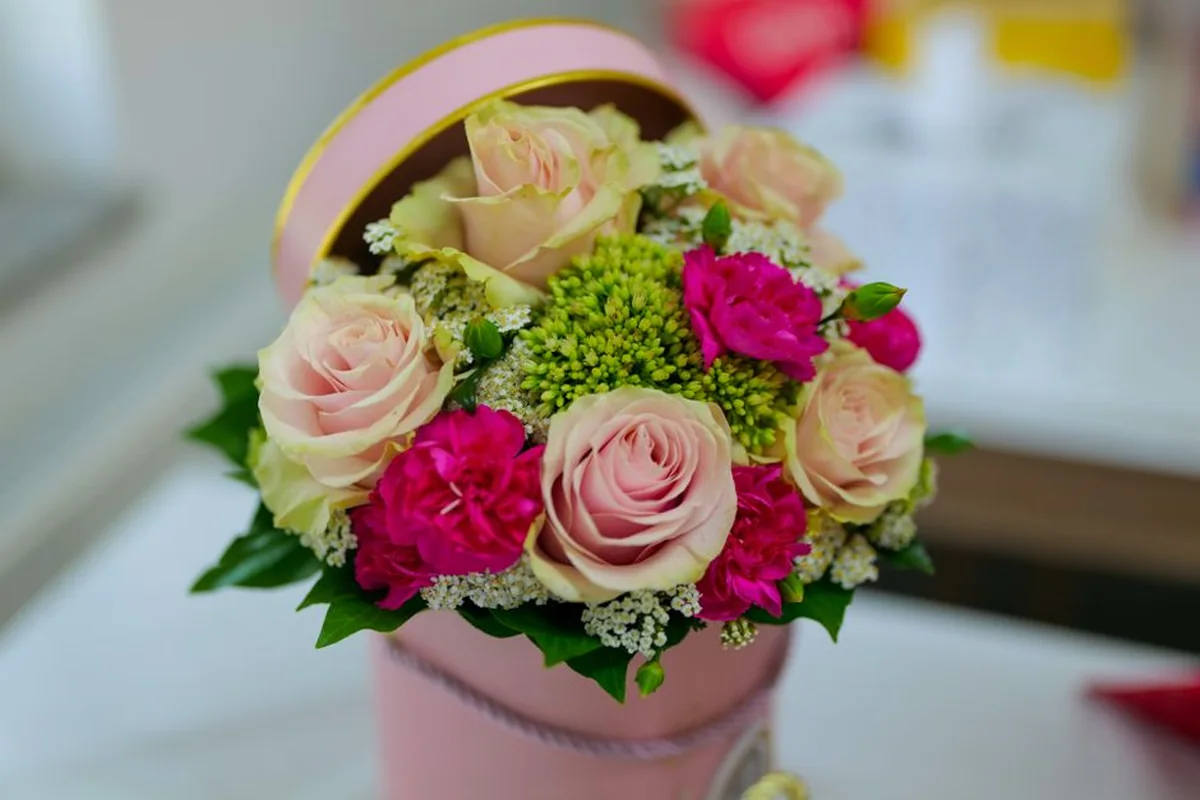
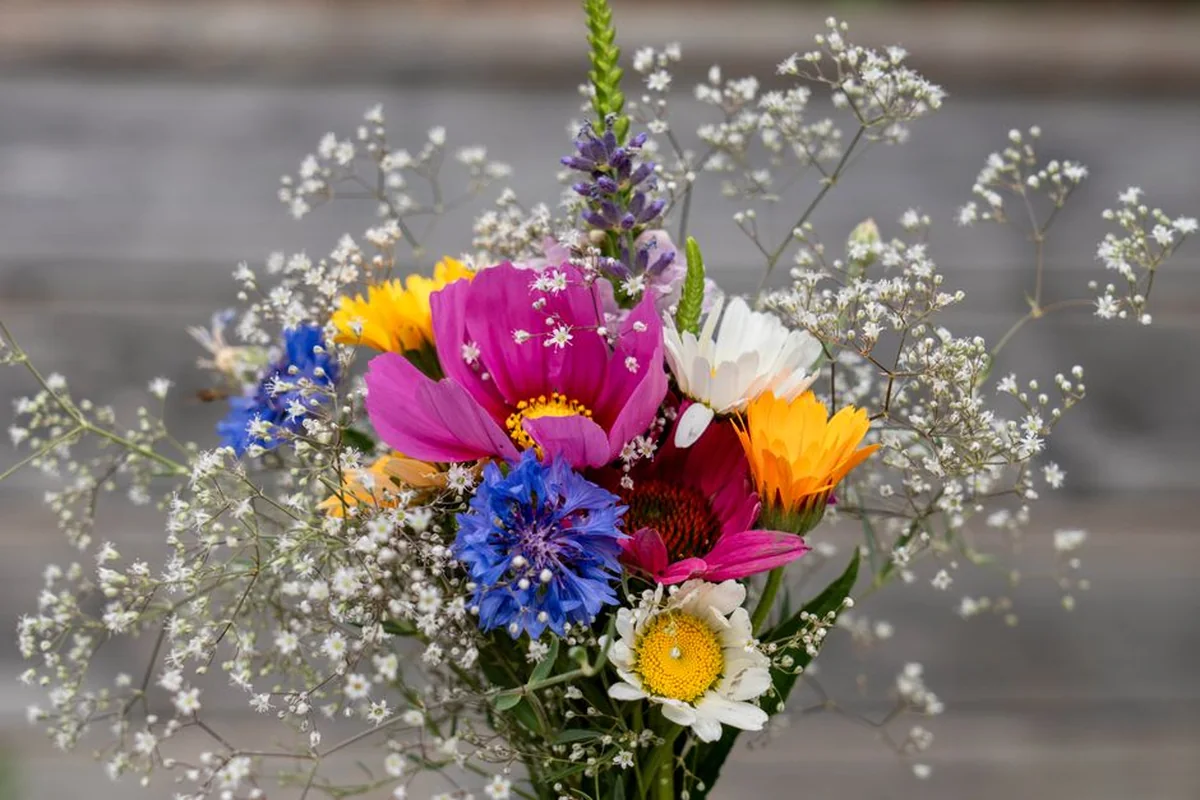
- A hand-tied bouquet for a ceremonial arrival. Keep the accompanying note brief and specific. Explain the real connection without instructing the recipient how excited they ought to feel.
- Letterbox stems for flexible delivery. Plan the handover as carefully as the item. Delivery access, packaging and a clear message determine whether the idea arrives as intended.
- A florist-delivered vase arrangement. Tie the choice to one known preference. A narrow, accurate connection feels more personal than trying to represent every side of the recipient.
- A compact bouquet for a workplace. Choose a supplier only after the idea itself is sound. Compare the complete description, current delivery information and support for problems.
- Seasonal stems for someone who enjoys arranging. Match quality to the part the recipient will notice. Decorative extras should not consume the budget while the useful contents remain ordinary.
- A plant when longer-term care is wanted. Review ingredients, materials, dimensions or booking limits as relevant. These details turn a pleasant concept into a gift that can actually be used.
Test the strongest two ideas
Remove options that fail a clear requirement, then compare the final two for fit, ease, timing and total cost. Use the same criteria for both. Marketing photographs and generous packaging should not earn points unless presentation is central to the occasion.
Imagine each idea one week after it is given. The likely winner is the one being used, enjoyed or remembered with the least avoidable friction.
Protect the gesture at checkout
A sound idea can still fail through rushed ordering. Set the whole budget, then inspect specifications, substitutions, delivery exclusions and support for faults. Screenshots of changing product details can be useful for your own records.
Personalised text and addresses deserve a slow final check. Arrange tracking or a delivery warning when a missed surprise would cause waste or stress.
Choose presentation suited to the occasion and transport. The recipient should meet the gift before meeting a pile of awkward packaging.
Common mistakes to avoid
- Assuming letterbox flowers look perfect immediately. Ask whether an easy alternative would keep the thought while giving the recipient more freedom.
- Choosing a bouquet too large for the available vase. Ask whether an easy alternative would keep the thought while giving the recipient more freedom.
- Comparing only headline price. Check whether the idea reflects a known preference or only a convention attached to the occasion.
- Ignoring dispatch days. Ask whether an easy alternative would keep the thought while giving the recipient more freedom.
- Throwing away care instructions before conditioning the stems. Look at the likely moment of receipt. Change the timing, message or product if it could create pressure.
Some uncertainty will remain because a gift involves judgement. Keep that uncertainty proportionate, provide an easy remedy where possible and do not require the recipient to protect the giver's feelings.
A final recipient-side review
- What will the recipient enjoy?
- What will they need to do?
- Is any risk still based on an avoidable guess?
- Can it arrive in good condition?
- Is the message accurate and comfortable?
- Can a problem be resolved simply?
Answer these from the recipient's position. If the balance remains positive, the gift is ready to give.
Remove work from the handover
A recipient should not need to chase a courier, find missing instructions or guess how long something can stay packed. For delivery access, presentation, flower care and the recipient's confidence, organise those details before delivery and send only the information that requires action.
Do not ask for an immediate reaction or public opening. The recipient may need time, privacy or an exchange, and none of those responses cancels the care behind the choice.
Keep the message in proportion
For delivery access, presentation, flower care and the recipient's confidence, A card can explain a choice that might otherwise seem ordinary. Name the occasion, add one genuine connection and offer your good wishes. Stop before the message tells the recipient how to react or creates an obligation to use the gift immediately.
For delivery access, presentation, flower care and the recipient's confidence, Sensitive occasions need even more restraint. Avoid jokes that require an audience, promises you cannot keep and stock phrases that do not fit the relationship. Plain, accurate words support the gesture.
One final practical note. For delivery access, presentation, flower care and the recipient's confidence, Save the recipient's preferences after the occasion, including what worked and what they would change. A small factual note is more useful for the next celebration than trying to remember every detail months later.
For delivery access, presentation, flower care and the recipient's confidence, Ask one trusted person only when they know the recipient well and can keep confidence. A useful second opinion should answer a specific question about fit, not open a new search across dozens of unrelated ideas.
Frequently asked questions
Are letterbox flowers as fresh as bouquets?
They can be fresh, but may arrive resting or in bud and need conditioning. Quality depends on the supplier, packing and journey.
Which option has more impact on arrival?
A florist-arranged bouquet or vase design usually creates a more immediate presentation.
Do letterbox flowers need arranging?
Usually yes. The recipient may need to trim stems, remove lower foliage and place flowers in clean water.
What should I compare besides price?
Compare stem varieties, substitutions, delivery method, packaging, care guidance, guarantees and the recipient's effort.