 By
By 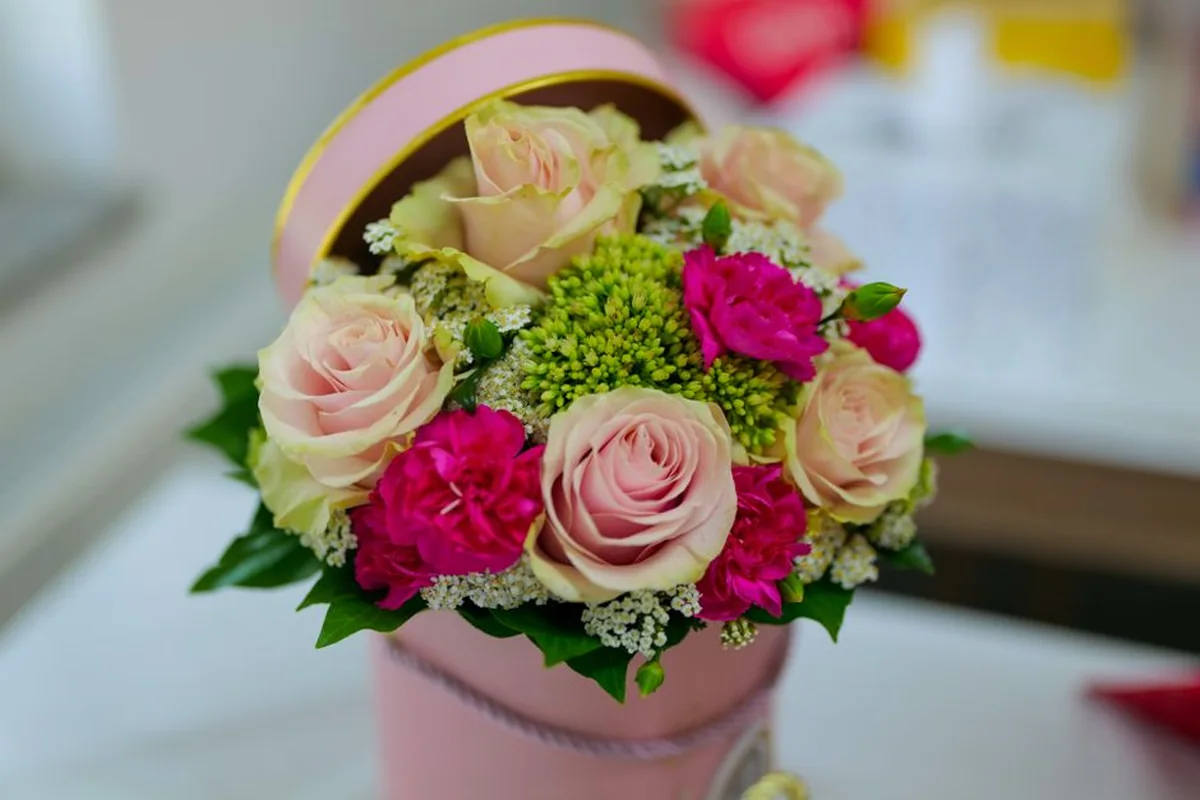
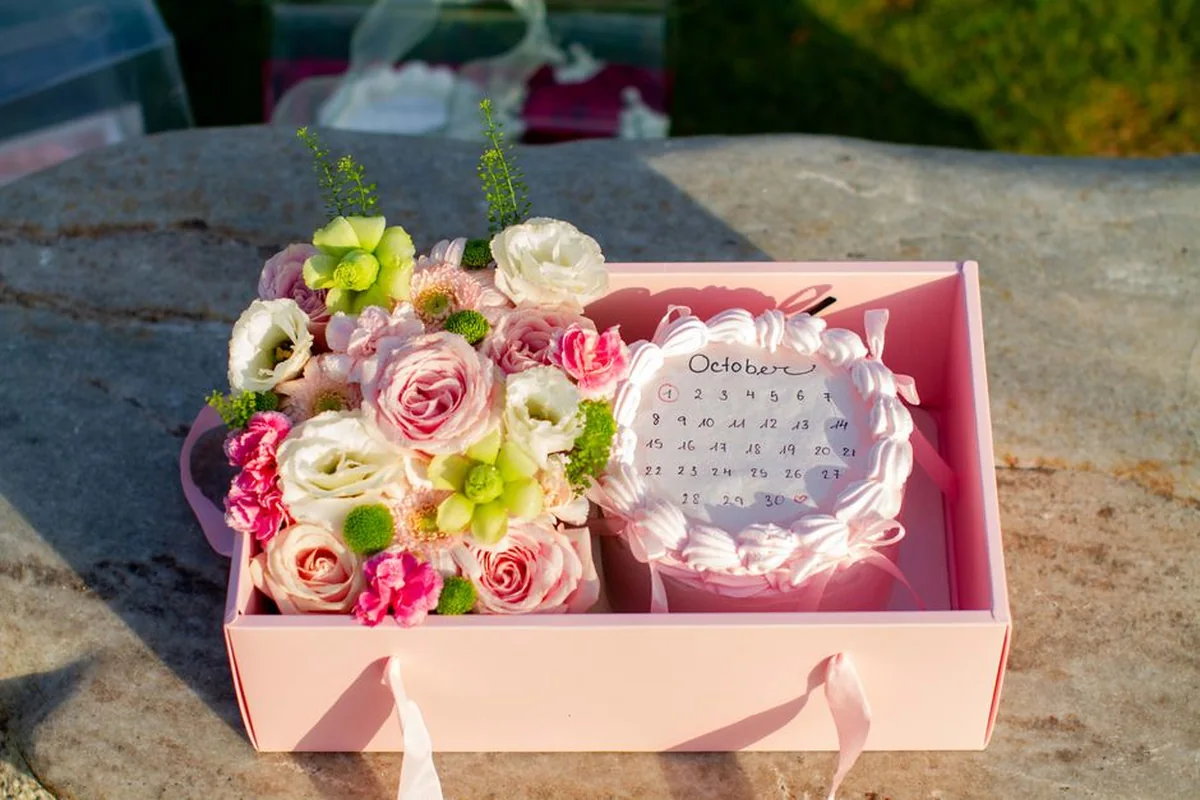
Birthday flowers can be joyful without being predictable. My florist background taught me to begin with the recipient's style and home, then use colour, season and shape to build the mood.
I bring the same habit to this guide that I used during five years of florist and gift-consultant work in London. I define the recipient's needs first, then judge products, delivery and presentation against them. This guide focuses on the recipient's taste, home and experience of receiving flowers. The aim is a clear shortlist built from what you know, with direct questions wherever safety, taste or timing cannot be guessed responsibly.
Collect clues before ideas
Start with three things the recipient has done or said recently. Repeated behaviour is valuable evidence. An interest mentioned once may have passed, while an item replaced regularly or an activity protected in a busy week is more dependable.
Mark every unknown that could change the decision. Size, scent, diet, availability and delivery access are good reasons to ask. Surprise should never depend on avoidable risk.
The decisions that make the biggest difference
Choose a mood before choosing stems
When ‘choose a mood before choosing stems’ is uncertain, preserve choice. A flexible booking, gift receipt or short list agreed with the recipient can keep the thought while reducing the gamble. In the context of the recipient's taste, home and experience of receiving flowers, ask directly whenever missing information affects safety, size, timing or personal taste. A sensible question protects the gesture.
Check scent sensitivity
Review ‘check scent sensitivity’ just before ordering. Product details, dates and availability can change, and current information should guide the final version of the idea. In the context of the recipient's taste, home and experience of receiving flowers, ask directly whenever missing information affects safety, size, timing or personal taste. A sensible question protects the gesture.
Match the scale to the space
Discuss ‘match the scale to the space’ when another person shares the cost or household. A short conversation can prevent duplication, unsuitable scale or an expectation nobody intended. In the context of the recipient's taste, home and experience of receiving flowers, ask directly whenever missing information affects safety, size, timing or personal taste. A sensible question protects the gesture.
Use colour as a flexible clue
Discuss ‘use colour as a flexible clue’ when another person shares the cost or household. A short conversation can prevent duplication, unsuitable scale or an expectation nobody intended. In the context of the recipient's taste, home and experience of receiving flowers, ask directly whenever missing information affects safety, size, timing or personal taste. A sensible question protects the gesture.
Consider pets and young children
Keep ‘consider pets and young children’ visible while reviewing the shortlist. Each idea should have a direct connection to it, supported by something the recipient has said, chosen or regularly done. In the context of the recipient's taste, home and experience of receiving flowers, ask directly whenever missing information affects safety, size, timing or personal taste. A sensible question protects the gesture.
Plan a delivery window the recipient can manage
Look at ‘plan a delivery window the recipient can manage’ from the recipient's side of the handover. The relevant cost may be time, care or social pressure even when no extra money is involved. In the context of the recipient's taste, home and experience of receiving flowers, ask directly whenever missing information affects safety, size, timing or personal taste. A sensible question protects the gesture.
Ideas to use as starting points
For the recipient's taste, home and experience of receiving flowers, the examples below are prompts, not a shopping list. Each becomes stronger when you can finish the sentence, ‘I chose this because…’ with a reason the recipient would recognise. If the reason is only that the item is popular, keep looking.
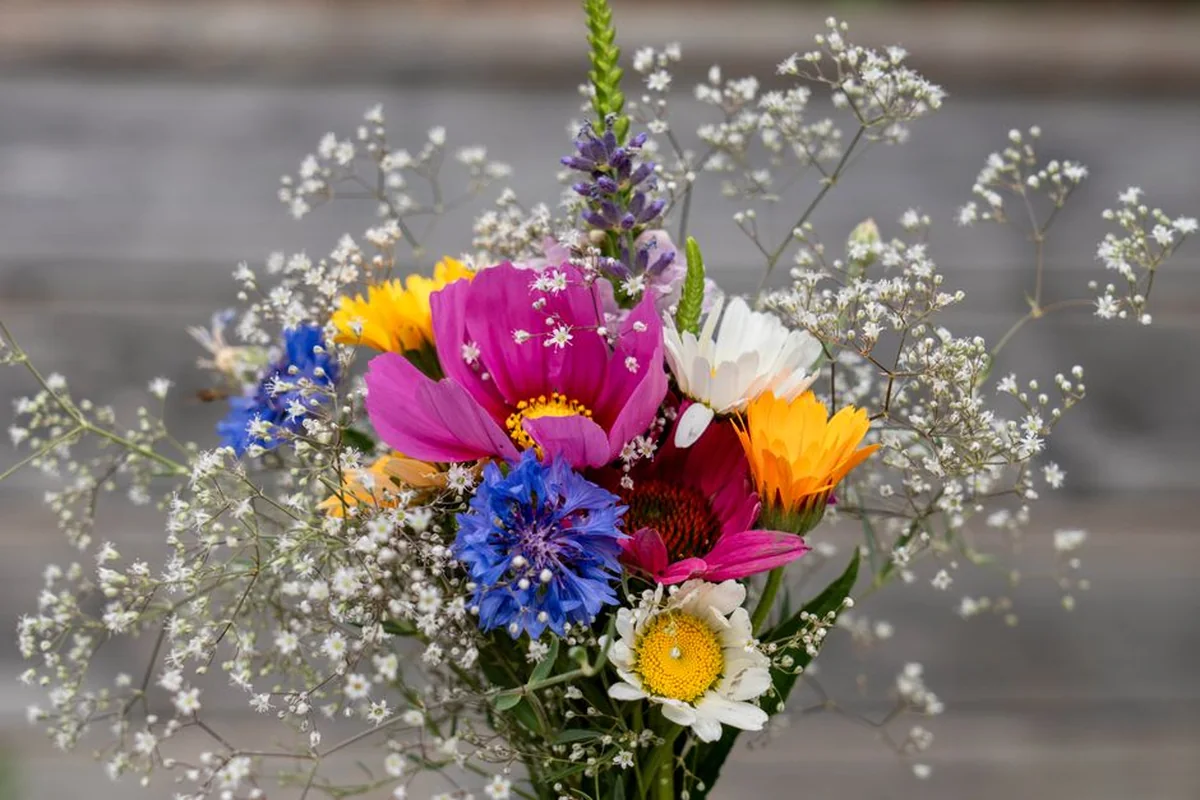
- A bright mixed bouquet for an energetic mood. Tie the choice to one known preference. A narrow, accurate connection feels more personal than trying to represent every side of the recipient.
- A restrained tonal arrangement. Review ingredients, materials, dimensions or booking limits as relevant. These details turn a pleasant concept into a gift that can actually be used.
- Season-led british-grown stems where available. Confirm the likely use before choosing size, colour or quantity. The modest version is often better when it is easier to finish, store or arrange.
- A compact design for a desk or small flat. Plan the handover as carefully as the item. Delivery access, packaging and a clear message determine whether the idea arrives as intended.
- A plant for someone who enjoys ongoing care. Check the exact version against taste, space and schedule. Use a gift receipt or flexible booking when the subjective details remain uncertain.
- Letterbox flowers for a recipient who likes arranging stems. Plan the handover as carefully as the item. Delivery access, packaging and a clear message determine whether the idea arrives as intended.
Test the strongest two ideas
Remove options that fail a clear requirement, then compare the final two for fit, ease, timing and total cost. Use the same criteria for both. Marketing photographs and generous packaging should not earn points unless presentation is central to the occasion.
Imagine each idea one week after it is given. The likely winner is the one being used, enjoyed or remembered with the least avoidable friction.
Protect the gesture at checkout
A sound idea can still fail through rushed ordering. Set the whole budget, then inspect specifications, substitutions, delivery exclusions and support for faults. Screenshots of changing product details can be useful for your own records.
Personalised text and addresses deserve a slow final check. Arrange tracking or a delivery warning when a missed surprise would cause waste or stress.
Choose presentation suited to the occasion and transport. The recipient should meet the gift before meeting a pile of awkward packaging.
Common mistakes to avoid
- Buying solely by flower meaning. Review the practical details that presentation can hide, including size, care, storage and restrictions.
- Sending lilies to a home with cats. Review the practical details that presentation can hide, including size, care, storage and restrictions.
- Choosing an oversized bouquet for a small space. Review the practical details that presentation can hide, including size, care, storage and restrictions.
- Ignoring fragrance. Separate your enjoyment of choosing from the recipient's likely enjoyment of using the gift.
- Assuming the recipient will be at home all day. Consider the work or discomfort this could pass to the recipient, then reduce the scale or change the format.
Some uncertainty will remain because a gift involves judgement. Keep that uncertainty proportionate, provide an easy remedy where possible and do not require the recipient to protect the giver's feelings.
A final recipient-side review
- What will the recipient enjoy?
- What will they need to do?
- Is any risk still based on an avoidable guess?
- Can it arrive in good condition?
- Is the message accurate and comfortable?
- Can a problem be resolved simply?
Answer these from the recipient's position. If the balance remains positive, the gift is ready to give.
Remove work from the handover
A recipient should not need to chase a courier, find missing instructions or guess how long something can stay packed. For the recipient's taste, home and experience of receiving flowers, organise those details before delivery and send only the information that requires action.
Do not ask for an immediate reaction or public opening. The recipient may need time, privacy or an exchange, and none of those responses cancels the care behind the choice.
Questions worth asking a seller
For the recipient's taste, home and experience of receiving flowers, Ask what is included, what may be substituted and how the item is protected in transit. For anything made to order, confirm when production begins and whether a proof is supplied. For food, flowers or plants, ask how long the parcel may remain packed and what the recipient should do on arrival.
For the recipient's taste, home and experience of receiving flowers, Record the answer when it affects your decision. Clear written information helps you compare suppliers and explain a genuine fault. A vague answer to a basic question is a reason to choose a simpler product or another business.
One final practical note. For the recipient's taste, home and experience of receiving flowers, Keep the confirmation, receipt and relevant care details until the gift has arrived and been checked. If a problem occurs, contact the seller promptly with photographs and a clear description. Quiet preparation makes a remedy easier without changing the tone of the occasion.
Frequently asked questions
What flowers are best for a birthday?
There is no single birthday flower. Choose colours and shapes the recipient enjoys, then check freshness, scale and delivery.
Should birthday flowers match a birth month?
They can, but availability and personal taste matter more than following a calendar rule.
How long should a fresh bouquet last?
Vase life varies by flower, freshness and care. Clean water, a clean vase and correctly trimmed stems help.
Which flowers should cat owners avoid?
Lilies are highly toxic to cats, including their pollen. Choose a cat-safe alternative and check current veterinary guidance.