 By
By 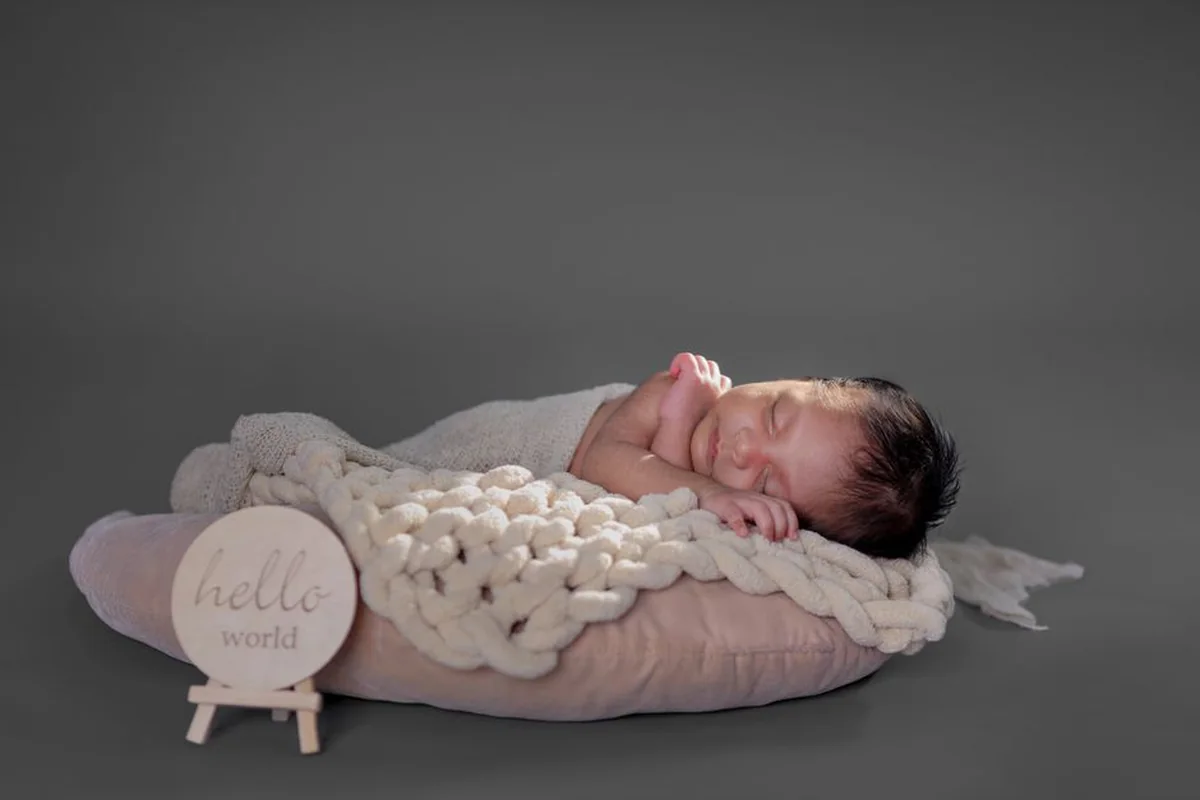
A welcome gift for new parents should reduce work and avoid adding another task. I begin with the household's immediate reality, including disrupted sleep, limited space and many well-meant visitors.
During five years in a London boutique flower and gift studio, I learned to treat the handover as part of the choice. A suitable item can still cause difficulty when its care, delivery or message has not been considered. This guide focuses on new parents and the practical rhythm of their household. The aim is a clear shortlist built from what you know, with direct questions wherever safety, taste or timing cannot be guessed responsibly.
Use the recipient's week as the test
Imagine where the gift enters an ordinary week. Does it need storage, preparation, booking, travel or ongoing care? Some recipients enjoy those activities. Others experience them as another task, so the same item can be thoughtful in one household and inconvenient in another.
Write down the occasion, emotional tone and practical limit. These three points give you a stable basis for comparing options.
The decisions that make the biggest difference
Ask what would help now
Review ‘ask what would help now’ just before ordering. Product details, dates and availability can change, and current information should guide the final version of the idea. In the context of new parents and the practical rhythm of their household, ask directly whenever missing information affects safety, size, timing or personal taste. A sensible question protects the gesture.
Include the parents as well as the baby
Discuss ‘include the parents as well as the baby’ when another person shares the cost or household. A short conversation can prevent duplication, unsuitable scale or an expectation nobody intended. In the context of new parents and the practical rhythm of their household, ask directly whenever missing information affects safety, size, timing or personal taste. A sensible question protects the gesture.
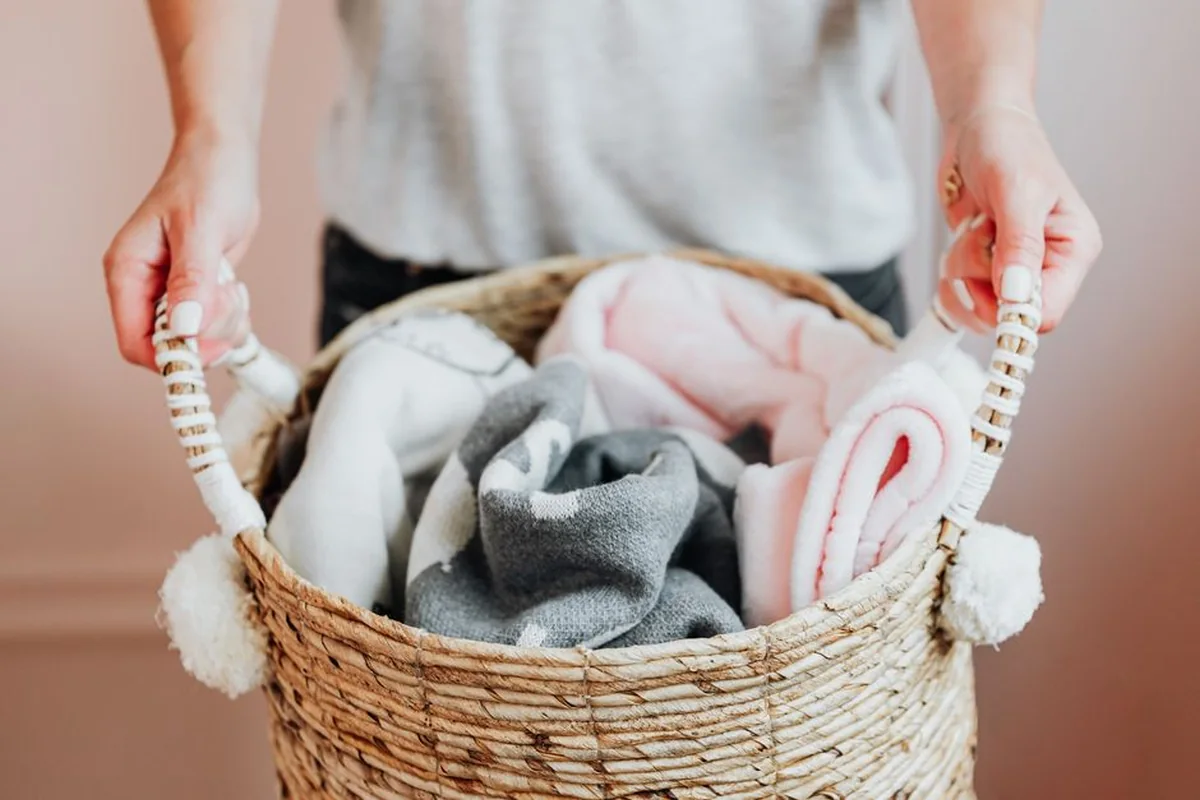
Keep storage and laundry in mind
When ‘keep storage and laundry in mind’ is uncertain, preserve choice. A flexible booking, gift receipt or short list agreed with the recipient can keep the thought while reducing the gamble. In the context of new parents and the practical rhythm of their household, ask directly whenever missing information affects safety, size, timing or personal taste. A sensible question protects the gesture.
Check sizes and season for clothing
Review ‘check sizes and season for clothing’ just before ordering. Product details, dates and availability can change, and current information should guide the final version of the idea. In the context of new parents and the practical rhythm of their household, ask directly whenever missing information affects safety, size, timing or personal taste. A sensible question protects the gesture.
Treat food safety and allergens seriously
Review ‘treat food safety and allergens seriously’ just before ordering. Product details, dates and availability can change, and current information should guide the final version of the idea. In the context of new parents and the practical rhythm of their household, ask directly whenever missing information affects safety, size, timing or personal taste. A sensible question protects the gesture.
Avoid products that complicate safe sleep
Discuss ‘avoid products that complicate safe sleep’ when another person shares the cost or household. A short conversation can prevent duplication, unsuitable scale or an expectation nobody intended. In the context of new parents and the practical rhythm of their household, ask directly whenever missing information affects safety, size, timing or personal taste. A sensible question protects the gesture.
Ideas to use as starting points
For new parents and the practical rhythm of their household, the examples below are prompts, not a shopping list. Each becomes stronger when you can finish the sentence, ‘I chose this because…’ with a reason the recipient would recognise. If the reason is only that the item is popular, keep looking.
- A meal contribution arranged around their preferences. Allow an alternative if the final specification depends on taste. Preserving choice can be more considerate than protecting a complete surprise.
- A practical care parcel for the adults. Tie the choice to one known preference. A narrow, accurate connection feels more personal than trying to represent every side of the recipient.
- Larger-size baby basics with gift receipts. Allow an alternative if the final specification depends on taste. Preserving choice can be more considerate than protecting a complete surprise.
- A short local errand or chosen household help. Choose a supplier only after the idea itself is sound. Compare the complete description, current delivery information and support for problems.
- A washable keepsake with minimal display pressure. Review ingredients, materials, dimensions or booking limits as relevant. These details turn a pleasant concept into a gift that can actually be used.
- A flexible delivery or shop voucher. Allow an alternative if the final specification depends on taste. Preserving choice can be more considerate than protecting a complete surprise.
Choose through elimination
Cross out anything that depends on an unverified size, a doubtful ingredient, a difficult delivery or an assumed interest. Next remove options outside the comfortable budget. The short list that remains has already passed the most important tests.
Make the final choice by connection. Select the idea with the clearest truthful reason behind it, then stop comparing unrelated alternatives.
Finish with calm checks
Confirm that the cost remains comfortable after every fee. If it does not, reduce scale before compromising the recipient's needs.
Read the final basket aloud, including spelling, dates, size, quantity and postcode. Recheck the delivery window against the recipient's plans and keep evidence of the order.
Present the gift cleanly and add one truthful reason for choosing it. No elaborate speech is required.
Common mistakes to avoid
- Arriving unannounced. Check whether the idea reflects a known preference or only a convention attached to the occasion.
- Giving large equipment without agreement. Pause before payment and verify the detail most likely to make this option unsuitable.
- Choosing decorative cot items. Look at the likely moment of receipt. Change the timing, message or product if it could create pressure.
- Forgetting dietary restrictions. Identify the assumption underneath this choice and replace it with a fact or a direct question.
- Expecting to hold the baby or be hosted. Look at the likely moment of receipt. Change the timing, message or product if it could create pressure.
Some uncertainty will remain because a gift involves judgement. Keep that uncertainty proportionate, provide an easy remedy where possible and do not require the recipient to protect the giver's feelings.
Check the whole gesture once
- The recipient is visible in the idea.
- The occasion sets an appropriate tone.
- The cost creates no strain.
- The practical work is manageable.
- The order details are correct.
- The recipient retains choice.
That whole view matters more than another product comparison. Give the gift without attaching a test of gratitude to it.
Protect the final few metres
The distance from doorstep to use can expose avoidable problems. Check access, safe placement and the first action required for new parents and the practical rhythm of their household. A brief delivery message is considerate when silence could leave flowers, food or a valuable parcel unattended.
After that, step back. A well-chosen gift can be opened later, adapted or exchanged without requiring the recipient to reassure the giver.
Think about the day after delivery
For new parents and the practical rhythm of their household, The opening moment lasts briefly, while storage, care and use continue. Check whether packaging can be recycled locally, whether the item needs accessories and whether the recipient has a suitable place for it. These details are especially important in small homes and shared households.
For new parents and the practical rhythm of their household, For a booking or voucher, look at the next step from the recipient's position. Clear locations, broad availability and straightforward contact details make the gift easier to turn into an enjoyable plan.
One final practical note. For new parents and the practical rhythm of their household, If another person is helping with the gift, agree who will order, receive updates and keep the receipt. Clear responsibility prevents duplicate purchases and missed messages, especially when the delivery date matters.
For new parents and the practical rhythm of their household, Keep a backup that suits the same purpose, especially when stock or seasonal delivery is uncertain. The backup can be simpler. Its value lies in preserving the planned gesture without a rushed purchase that ignores the recipient.
Frequently asked questions
What do new parents usually appreciate most?
Many appreciate food, flexibility, useful basics and practical help, but asking is more reliable than assuming.
Should a gift be for the baby or the parents?
Either can work. A gift for the adults often feels especially considerate because baby gifts are more common.
Are soft toys suitable for a newborn's cot?
The NHS advises keeping a baby's cot clear of soft toys, pillows, bumpers and loose bedding during sleep.
When should I deliver a new-baby gift?
Follow the parents' lead. A doorstep delivery or a later visit may be easier than arriving during the first busy days.